Components
Patterns
Layouts
Segments
Tokens
Design
system
Designing and maintaining systems for real-world banking
I design and maintain core components within the enterprise-grade design system at Wells Fargo, ensuring they work reliably across real product scenarios. My work spans component redesigns, testing, and careful documentation, bridging the gap between system guidelines and actual usage. I focus on making components scalable, resilient, and intuitive for both designers and end users.





Testing
…and more testing
I believe a design system is only as good as its stability. To ensure our components were truly fault-tolerant, I stress-tested every new build by pushing variants to their limits.
This process involved analyzing the component build from the perspective of a final user, providing feedback, and requesting necessary changes.
Visual Quality Assurance (VQA) was also essential; a single pixel out of place can erode trust, so I took a detail obsessed approach to ensure flawless exectuion.


Documentation
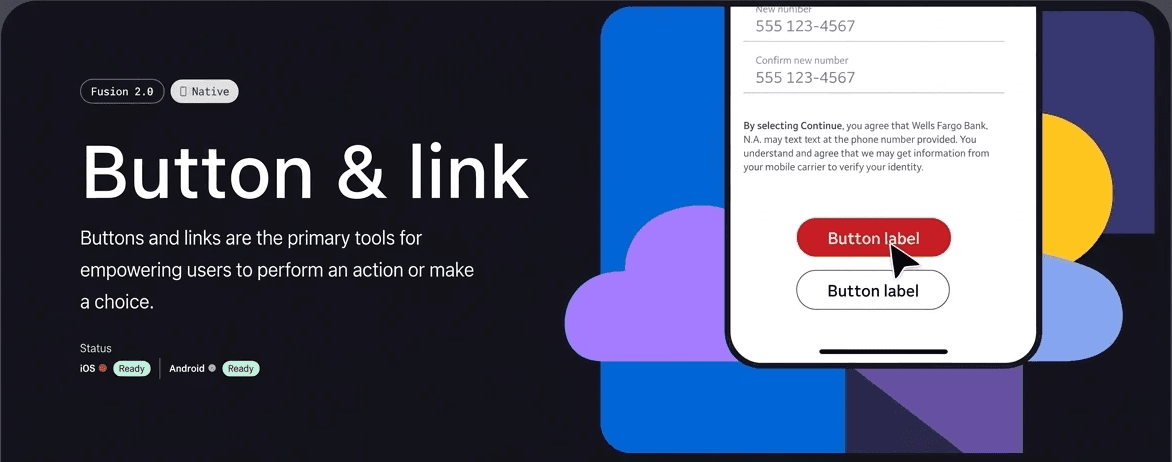
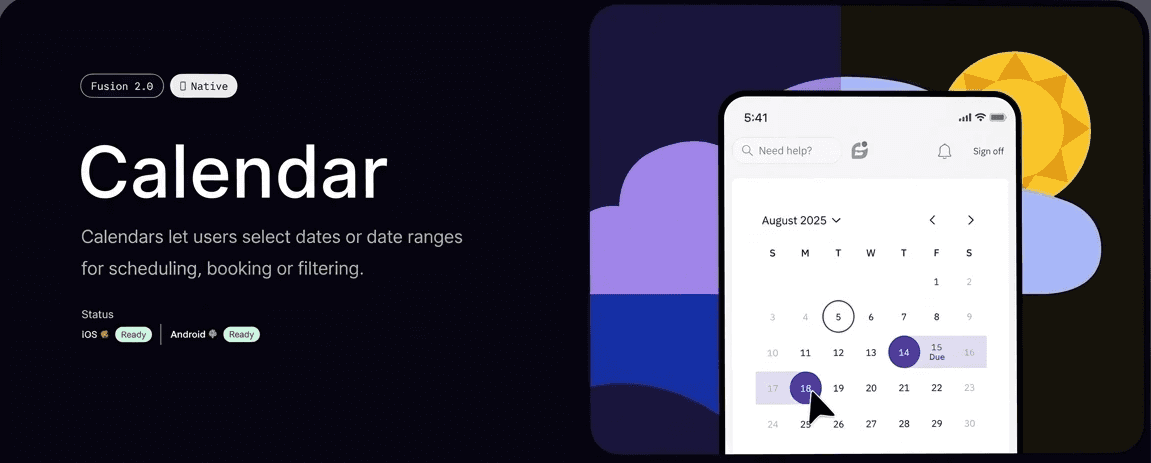
Building a design system is easy; explaining it is the hard part. I took charge of documenting the "why" behind our component decisions, ensuring designers and developers had a clear source of truth.


Component trainings
Conducted trainings, assisted new component adoptions and answered any questions designers had.


Dark mode
I explored multiple design and color directions for a dark mode version of the Wells Fargo app, while staying true to the brand identity.
Experimented with color variations for UI elements and backgrounds, paying close attention to how minor adjustments impact the overall brand experience.
Maintenance and SME duties
A design system constantly evolves to support new features, developer upgrades, and changing business needs. Keeping the system up to date was a constant priority.
As an SME, I kept my "ears to the ground," acting as the go-to person for component queries, troubleshooting, and feature requests. It’s not just about building the system; it’s about supporting the people who use it every day.
